



Brahman is the Two-Fold Cause for Creation – Part 1
April 13, 1999Bhagavad gītā Home Study: Chapter 7, Verses 4-5Published in the 14th Anniversary Souvenir of the Arsha Vidya Gurukulam, 2000. Lord Kṛṣṇa Reveals Himself As The Two-Fold Cause Of…
View Post
Brahman is the Two-Fold Cause for Creation – Part 2
August 15, 1999Bhagavadgītā Home Study: Chapter 7, Verse 65Published in the 13th Anniversary Souvenir of the Arsha Vidya Gurukulam, 1999. In the previous verses, Lord Kṛṣṅa unfolded both his apara-prakṛti,…
View PostEight Significant Verses of the Bhagavad Gītā
October 9, 1999Swami Dayananda SaraswatiPublished with detailed commentary in the 16th Anniversary Souvenir 2002 of Arsha Vidya Gurukulam.Translation and meaning from Bhagavadgītā Home Study Course, Arsha Vidya Gurukulam, 1999. The…
View Post
Bhagavad Gita Chapter 2
February 13, 2001A SORROW THAT CANNOT BE ALLEVIATED In fact, only the sad become sad. No one suddenly becomes sad. Just as the angry become angry, the sad become sad.…
View Post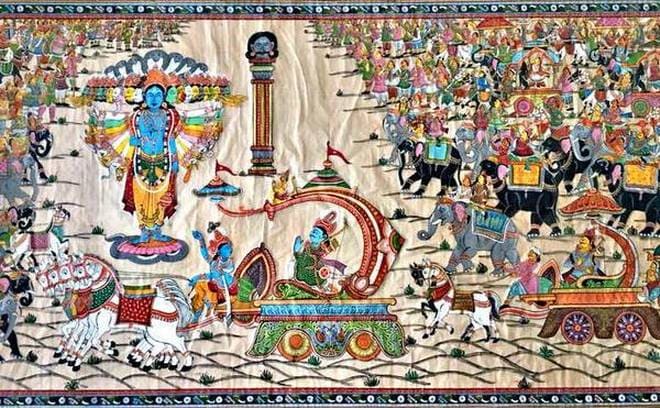
Bhagavad Gita Chapter 3
October 14, 2002THE TOPIC OF KARMA In the previous chapter, beginning at verse 55, Lord Krishna pointed out that a wise person, a sthitaprajna , is one who gives up…
View Post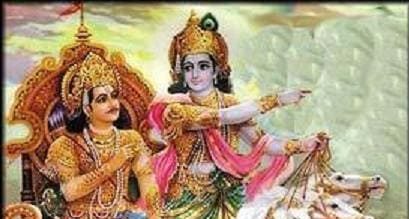
Bhagavad Gita Chapter 4
February 10, 2004KNOWLEDGE AND THE RENUNCIATION OF ACTION THE ORIGINS OF KARMA-YOGA In the first three verses of the fourth chapter, Krishna sums up the subject matter of karma-yoga by…
View Post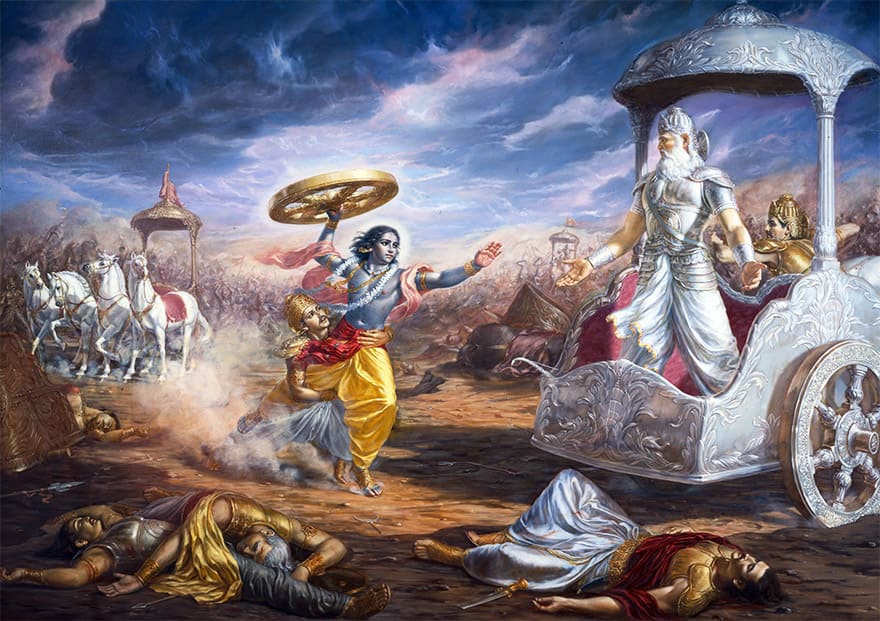
Bhagavad Gita Chapter 5
July 22, 2005KARMA-SANNYASA WHICH IS BETTER?Since moksha means the knowledge of akarma in karma, meaning one should see the akarta, non-doer, in the kart¡, the doer, Arjuna wants to pursue…
View Post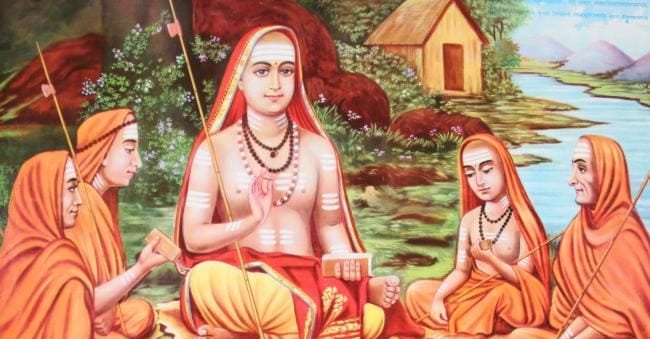
Bhagavad Gita Chapter 6
July 23, 2005MEDITATION A KARMA-YOGI ALSO HAS RAGA-DVESAS A karma-yogi is not a person who has no raga-dvesas. He is someone who has raga-dvesas but gives them up, meaning that…
View Post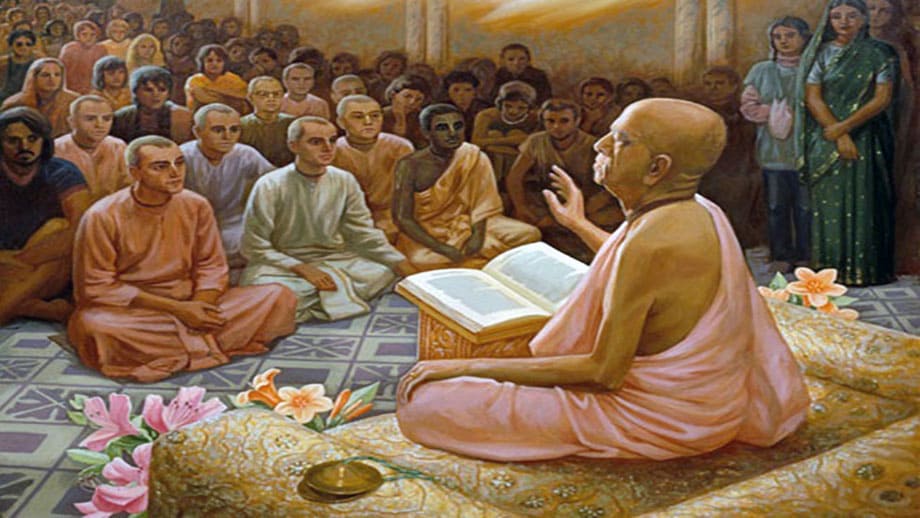
Bhagavad Gita Chapter 7
May 28, 2007JNANA AND VIJNANA IN SEEKING PARAMESVARA THE END AND THE MEANS ARE THE SAME Here he is seeking knowledge, knowledge of the whole. This seeking is very peculiar…
View Post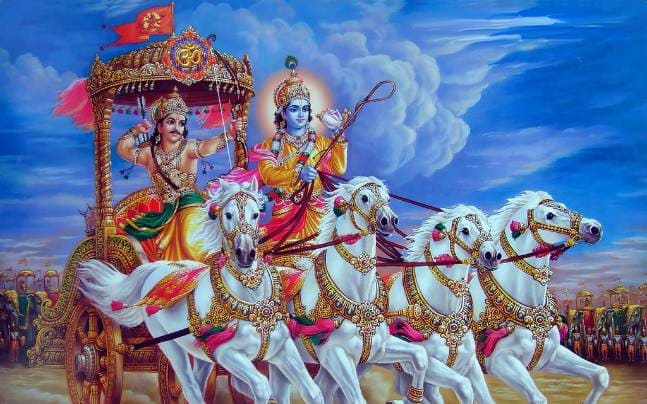
Bhagavad Gita Chapter 8
May 20, 2008AKâARA-BRAHMA-YOGA Arjuna asks what is that Brahman, which you say the wise men know. The word brahma has many meanings. It can mean the Veda, a brahmana, or…
View Post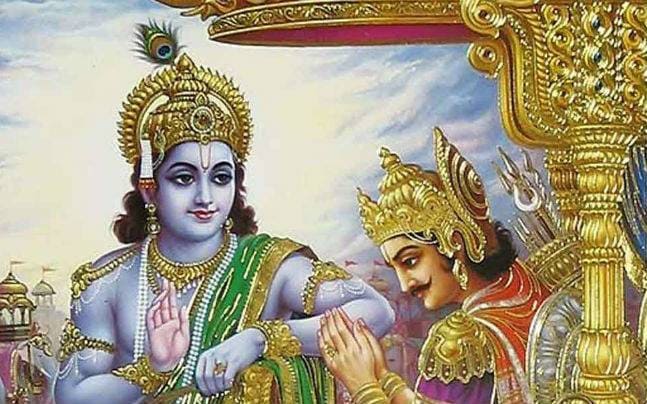
Bhagavad Gita Chapter 10
April 15, 2009THE GLORIES OF BHAGAVAN The Bhagavadgita is both brahma-vidya and yoga-sastra. As brahma-vidya it can be reduced to one sentence, tat tvam asi—you are that. In this, one…
View Post
Bhagavad Gita Chapter 11
August 23, 2009THE YOGA OF THE VISION OF THE COSMIC FORM When Bhagavan says, ‘I remain in the form of this entire world,’ naturally Arjuna wonders whether this is literally…
View Post
Bhagavad Gita Chapter 12
December 26, 2009BHAKTI-YOGA INTRODUCTION In the twelfth chapter the topic is predominantly devotion, bhakti. Bhakti is from the root bhaj used in the sense of service. Dedicated action to Ì¿vara…
View Post
Bhagavad Gita Chapter 13
May 11, 2010THE NATURE OF THE KNOWER AND THE KNOWN The tradition looks upon the entire G¢t¡ as having its subject matter in the mahavakya, ‘tat tvam asi—you are that.’ This…
View Post
One Gītā Śloka to Live One’s Entire Life By
July 12, 2014One Gītā Śloka to Live One’s Entire Life By[Published in the Arsha Vidya Gurukulam 34th Anniversary Souvenir, 2020] If you want to have one verse for your entire…
View Post